Wind Energy

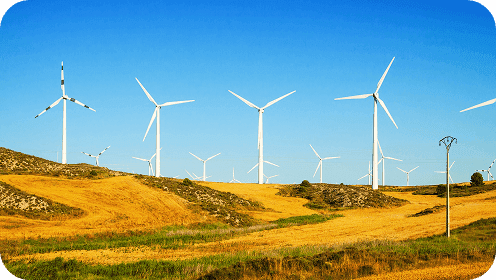
Wind energy is one of the most powerful and naturally abundant sources of clean electricity, converting the kinetic energy of moving air into usable power through modern wind turbines. Powertrac develops and delivers efficient wind energy projects that are tailored to diverse terrains and weather conditions, ensuring optimal energy yield and consistent performance throughout the year. Our solutions are designed for minimal environmental impact, maximum reliability, and long-term operational efficiency, making them suitable for industries, communities, and government utilities alike. With advanced engineering and robust technology integration, Powertrac enables customers to harness wind power effectively while lowering their carbon footprint and reducing dependence on conventional energy sources, driving sustainability and economic growth in a responsible and future-ready way.

24/7 Power Support

24/7 Power Support

Low Operating Costs

Low Operating Costs

Grid Independence
Grid Independence

Types of Wind Energy

(1) Onshore wind energy

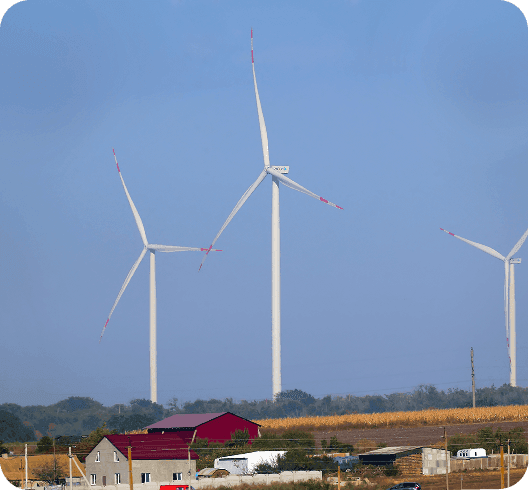
Onshore wind energy systems are installed on land, usually in open plains or hilly regions, where wind flow is strong and consistent. These installations are easier to construct and maintain compared to offshore projects and provide cost-effective renewable energy, suitable for powering industries, cities, and rural communities with long-term sustainability and reliability.

  • Enables cost-effective installation with quicker commissioning schedules.
  • Simplifies ongoing maintenance due to convenient ground-level access.
  • Ensures lower operational expenses compared to offshore wind setups.
  • Promotes local employment and contributes to community development.
  • Perfect for large-scale industrial applications and regional renewable energy generation projects.

(2) Off shore Wind Energy

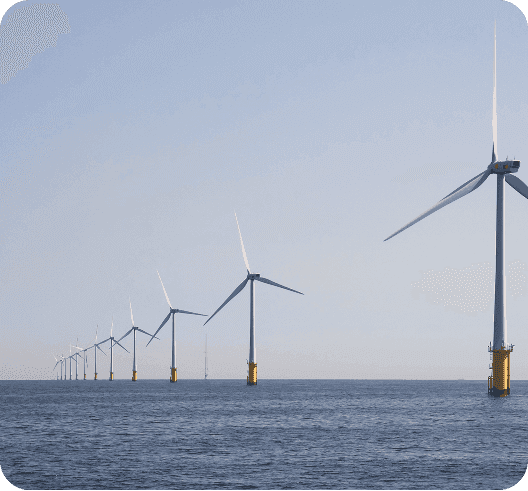
Offshore wind energy uses turbines installed in shallow or deep waters, usually in seas or oceans. Offshore sites offer stronger and steadier winds, producing more energy than land-based systems. They are ideal for areas where land availability is limited or densely populated. Offshore projects often involve specialized foundations like monopiles or floating platforms.

  • Higher energy yield due to strong, uninterrupted winds.
  • Uses advanced marine engineering for turbine stability.
  • Can support large-scale energy needs of coastal cities.
  • Greater installation and maintenance costs, but higher long-term output.
  • India’s high-potential offshore zones include Gujarat, Tamil Nadu, and parts of Maharashtra.

(3) Hybrid Wind- Solar Energy

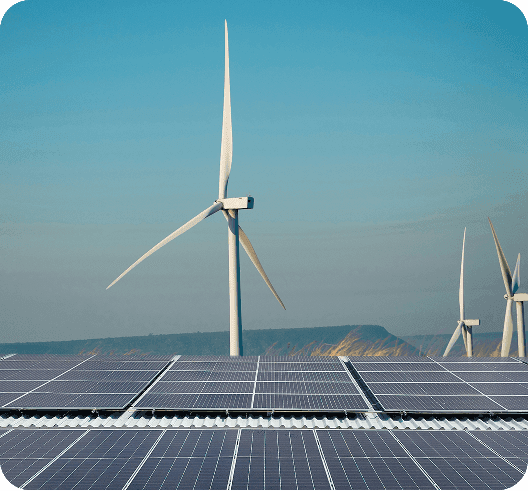
Hybrid wind-solar systems integrate wind turbines and solar panels at the same site to generate consistent energy throughout the day and year. They are particularly useful in areas with variable solar irradiance or seasonal wind patterns. Hybrid systems also allow for optimized use of land or rooftop space.

  • Balances power generation: solar peaks during the day, wind peaks at night or during monsoon.
  • Can be paired with batteries or grid systems for 24/7 power.
  • Reduces intermittency and enhances grid stability.
  • Supports industrial, commercial, and rural hybrid energy needs.
  • Optimizes land use and increases return on investment.

(4) Distributed/Small-scale Wind Energy

Distributed wind energy refers to small turbines for individual homes, farms, or commercial facilities. These systems are often installed in rural or remote areas to provide localized electricity, reducing dependence on centralized grids. They can be combined with solar PV and battery storage for hybrid solutions.

  • Turbines usually range from 1 kW to 100 kW capacity.
  • Helps reduce electricity bills for households and businesses.
  • Can be installed on rooftops, small plots, or farm lands.
  • Ideal for rural electrification and microgrids.
  • Enables energy independence and reduces transmission losses.

Why choose Powertrac wind energy

Reliable clean power

Reliable clean power

Delivers consistent, renewable electricity with minimal interruptions, ensuring dependable energy generation year-round for multiple sectors.

Hybrid expertise

Hybrid expertise

Combines wind systems seamlessly with solar or battery technologies to maximize uptime, efficiency, and power availability across varying conditions.

Cost-efficient operations

Cost-efficient operations

Reduces energy expenses through efficient design, superior components, and minimal maintenance needs, ensuring long-term savings and performance.

Advanced technology & innovation

Advanced technology & innovation

Employs intelligent control systems, high-efficiency turbines, and predictive maintenance tools to optimize generation and extend asset life.

How Wind Energy Works

Wind turbines harness the kinetic energy present in moving air and convert it into usable electrical power through an intricate system of aerodynamic blades, rotors, and generators. As the wind blows across the blades, their curved design captures its energy, causing the rotor to spin. This rotational motion is transferred through a drive shaft to a generator located inside the nacelle, where it is converted into electricity. The generated power then passes through transformers, cables, and power lines for efficient distribution. Our parameters ensure the turbines produce optimized, reliable, and environmentally sustainable electricity.

Wind To Electricity

Wind

Wind

Wind moves air

Blades Spin

Blades Spin

Turbine rotates

Electricity

Electricity

Generates Power

The development of a wind energy system begins with a comprehensive wind resource assessment, involving years of meteorological studies, data modeling, and terrain mapping to determine the most promising locations with strong and consistent wind speeds. Once the ideal site is identified, turbines are strategically positioned to achieve maximum exposure and minimize wake effects—turbulent airflow caused by neighboring turbines. The aerodynamic blades, designed with precision engineering, rotate under wind pressure and drive a generator that converts this mechanical motion into electrical energy. The produced current undergoes power conditioning through converters, transformers, and inverters to ensure it meets grid standards for frequency and voltage stability. Supervisory Control and Data Acquisition (SCADA) systems play a vital role in continuously monitoring real-time performance, energy output, wind velocity, and environmental factors. Through this seamless cycle, modern wind farms deliver clean, renewable, and cost-efficient energy.

Let’s build the future of solar together

Partner with Powertrac to create sustainable wind-powered energy solutions nationwide.

Placeholder image (4).png

Schemes for Wind Energy

Fund-Based Schemes (Direct Financial Support)

Capital Subsidy / Viability Gap Funding (VGF) : Reduces upfront project cost through government financial aid.
Generation-Based Incentives (GBI) : Rewards projects for every unit of clean power generated.
Low-Interest Loans / Green Financing : Offers affordable credit for renewable infrastructure expansion.
Accelerated Depreciation Benefits: Enables quicker recovery of capital investment value.
Investment Grants & Equity Support: Encourages private participation and funding.

Non-Fund-Based Schemes (Indirect Support)

Renewable Energy Certificates (RECs): Allows trading of verified clean power credits.
Renewable Purchase Obligations (RPOs): Mandates power utilities to source renewable energy portions.
Carbon Credits & Green Attributes: Provides revenue through emission reduction trading.
Priority Lending / Infrastructure Status: Facilitates easier financing and project classification advantages.
Facilitation for Land & Evacuation Infrastructure: Ensures streamlined site approval and grid connectivity support.